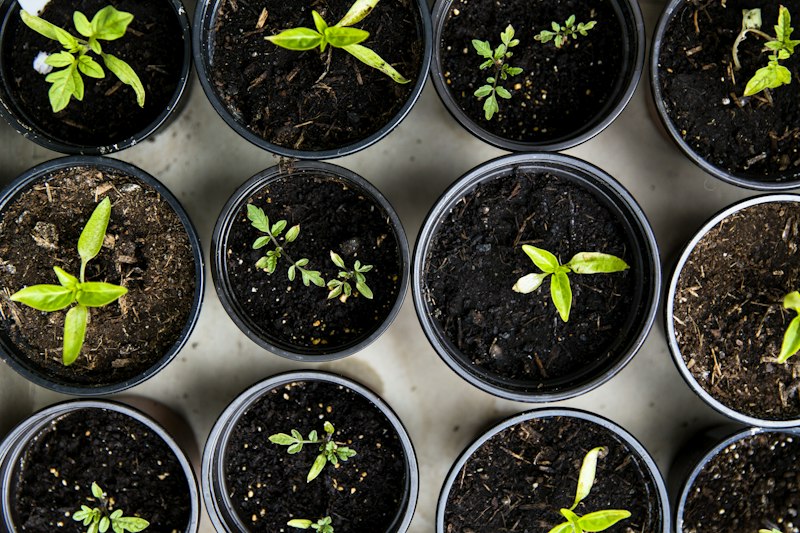
Garden care guided by observation, experience, and respect for natural systems
Gardens are living systems that respond to care, weather, and time in ways that can't be fully predicted. Our work is built on careful observation and adaptive response rather than rigid schedules.
We pay attention to how plants develop, how soil conditions change, and how your garden's microclimate behaves throughout the seasons. This allows us to adjust timing, methods, and priorities based on what we actually observe.

Good garden care isn't about imposing control over nature. It's about working with natural patterns while guiding them toward your goals.
We believe in practices that build long-term garden health rather than quick fixes. This means prioritizing soil quality, choosing plants suited to your conditions, and using interventions that support rather than override natural processes.
Every garden has unique conditions. Light patterns, drainage, soil composition, and exposure all vary. We tailor our approach to these specific factors rather than applying universal solutions.
Our methods prioritize environmental responsibility. We minimize water waste, avoid unnecessary chemical inputs, and work to improve soil biology over time. These practices benefit both your garden and the broader ecosystem.
Working throughout London has taught us how dramatically conditions can vary even within the same neighborhood. Urban microclimates, varying soil types, and different exposure levels all require adapted approaches.
This local experience helps us anticipate challenges and opportunities specific to your area, from timing spring planting to managing common local pests.
Before any work begins, we assess current conditions. This includes plant health, soil quality, drainage patterns, and existing problems. Understanding the starting point shapes everything that follows.
Certain tasks must happen at specific times for best results. We schedule work based on actual seasonal conditions rather than calendar dates, adjusting when weather patterns shift.
Each visit includes observation of how the garden is responding. We note changes, identify emerging issues early, and adjust future plans based on what we see developing.
You receive updates on what we observe and recommendations for upcoming needs. We explain the reasoning behind our suggestions so you can make informed decisions about your garden.
We're happy to answer questions about your specific situation.
Get in Touch